Posted on 9/25/2026
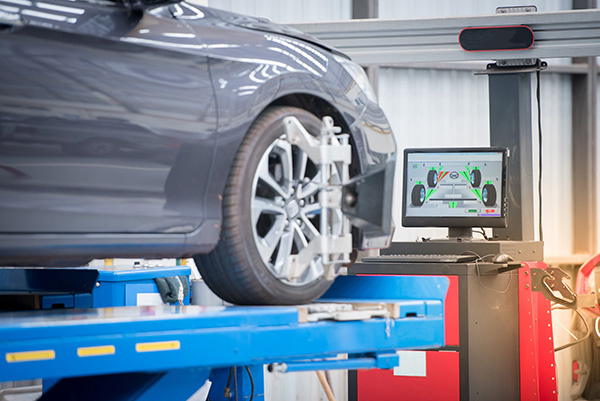
A car does not have to drift left or right to need an alignment. Pulling is one sign of an alignment problem, but it is far from the only one. We regularly see vehicles that track straight down the road while the tires are wearing unevenly because one or more alignment angles are outside specification. That is why steering feel alone does not tell the whole story. Camber, toe, and caster all affect how the tires meet the road, and some of those angles can be wrong without creating an obvious pull. By the time the driver notices a problem, the tires may already have lost a significant amount of usable tread. Uneven Tire Wear Can Happen Without Any Pulling One of the clearest signs of an alignment problem is a tire wearing faster on one edge than the other. Inside-edge wear is especially easy to miss because it can hide behind the wheel where you do not see it during a quick walk around the car. A vehicle can still drive straight if the alignment angles on both sides ... read more
Posted on 8/28/2026
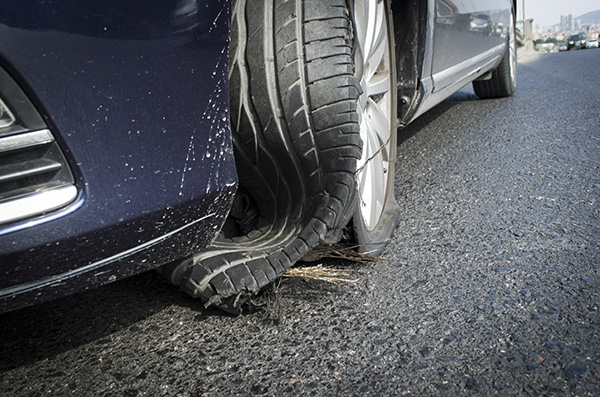
A tire blowout can produce a loud bang, sudden vibration, pulling, or a loose feeling from the rear of the vehicle. Your first reaction has a major effect on what happens next. The priority is to maintain control, reduce speed gradually, and move completely away from traffic. Do not slam on the brakes or make a sharp steering correction. Either action can upset the vehicle while one tire is no longer supporting its share of the load. Keep your attention on the road and follow a controlled sequence. Hold The Steering Wheel Firmly Place both hands on the steering wheel and keep the vehicle traveling as straight as possible. A failed front tire may pull the steering wheel toward the damaged side. A rear blowout can cause the back of the vehicle to wobble or move sideways. Do not try to correct every small movement. Large, sudden steering inputs can make the vehicle less stable. Look toward the open roadway ahead and make only the adjustments needed to rema ... read more
Posted on 7/31/2026
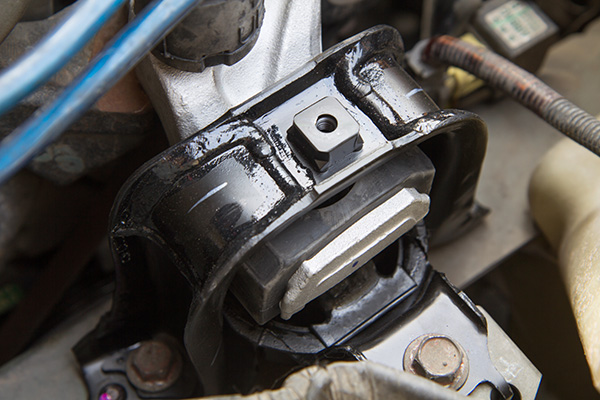
Engine mounts are not parts most drivers think about. They sit quietly between the engine, transmission, and vehicle frame, doing a job that is easy to overlook until they stop doing it well. Then the car starts feeling rough in ways that can be hard to describe. A worn engine mount can make a vehicle shake at idle, thump when shifting, jerk when accelerating, or feel like the engine is moving around under the hood. The engine may run perfectly fine, but the car still feels harsh because the mount is no longer holding and absorbing movement the way it should. What Engine Mounts Actually Do An engine is not bolted directly to the vehicle frame with solid metal connections. If it were, every vibration from combustion, shifting, and acceleration would travel straight into the cabin. Engine mounts hold the engine in place while also absorbing vibration. Most mounts use rubber, hydraulic fluid, or a combination of materials to cushion movement. Some vehicles also use el ... read more
Posted on 6/26/2026

A check engine light can feel vague on purpose. It tells you the car has found a problem, but it does not explain from the driver’s seat whether the issue is minor, expensive, urgent, or still in its early stages. The car might feel normal, or it might be running rough enough that you already know something is off. That is where a professional engine diagnostic helps. It gives the technician real information from the vehicle’s computer, then pairs that information with testing under the hood. The goal is not just to turn the light off. It is to find out why the light came on in the first place. The Trouble Code Gives Direction When the check engine light turns on, the vehicle stores one or more trouble codes. These codes point to the system that detected something outside the expected range. The code might involve a misfire, oxygen sensor reading, EVAP leak, catalytic converter efficiency, fuel trim, airflow sensor, or coolant temperature problem. That ... read more
Posted on 5/29/2026
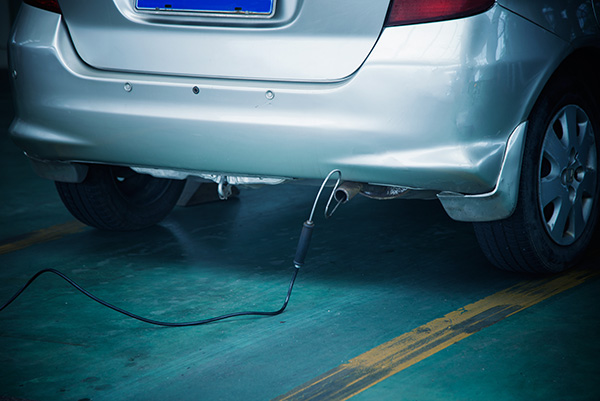
An emissions test can feel like a simple yearly step until the vehicle fails. The frustrating part is that many emissions problems do not make the car feel terrible right away. It may start fine, drive normally, and still have a fault that shows up during testing. Most failures come back to the same basic idea. The vehicle is either producing excessive emissions, failing a required self-check, or missing a part the system expects to find. 1. Check Engine Light Is On A check engine light is one of the most common reasons a vehicle fails an emissions test. Even if the car feels fine, the computer has stored a fault that needs attention. The issue could be related to fuel control, ignition, sensors, emissions equipment, or the evaporative system. Clearing the light right before testing is not a real fix. The monitors need time to reset, and if the problem persists, the light will return. A proper inspection helps identify the cause rather than just erasing ... read more